Venue & Event Operations
A Staffing & Cleaning Checklist for Stadium and Venue Operators
Plan event-day roles, check-in, shift handoffs, guest service and post-event cleaning for stadiums and venues in Maryland and Washington, DC.
By Montoya Solutions
Build the plan around the event timeline
Large venues need more than a headcount. Staff must be assigned to specific work zones, understand who directs them and know when their responsibilities change. For stadium, banquet and event operations in Maryland and Washington, DC, begin with load-in, preparation, doors opening, guest service and the final cleaning handoff.
This guide is a planning resource for operators evaluating outside support. Each booking depends on the agreed scope, staffing availability and the venue’s onboarding requirements.
Translate guest service into defined roles
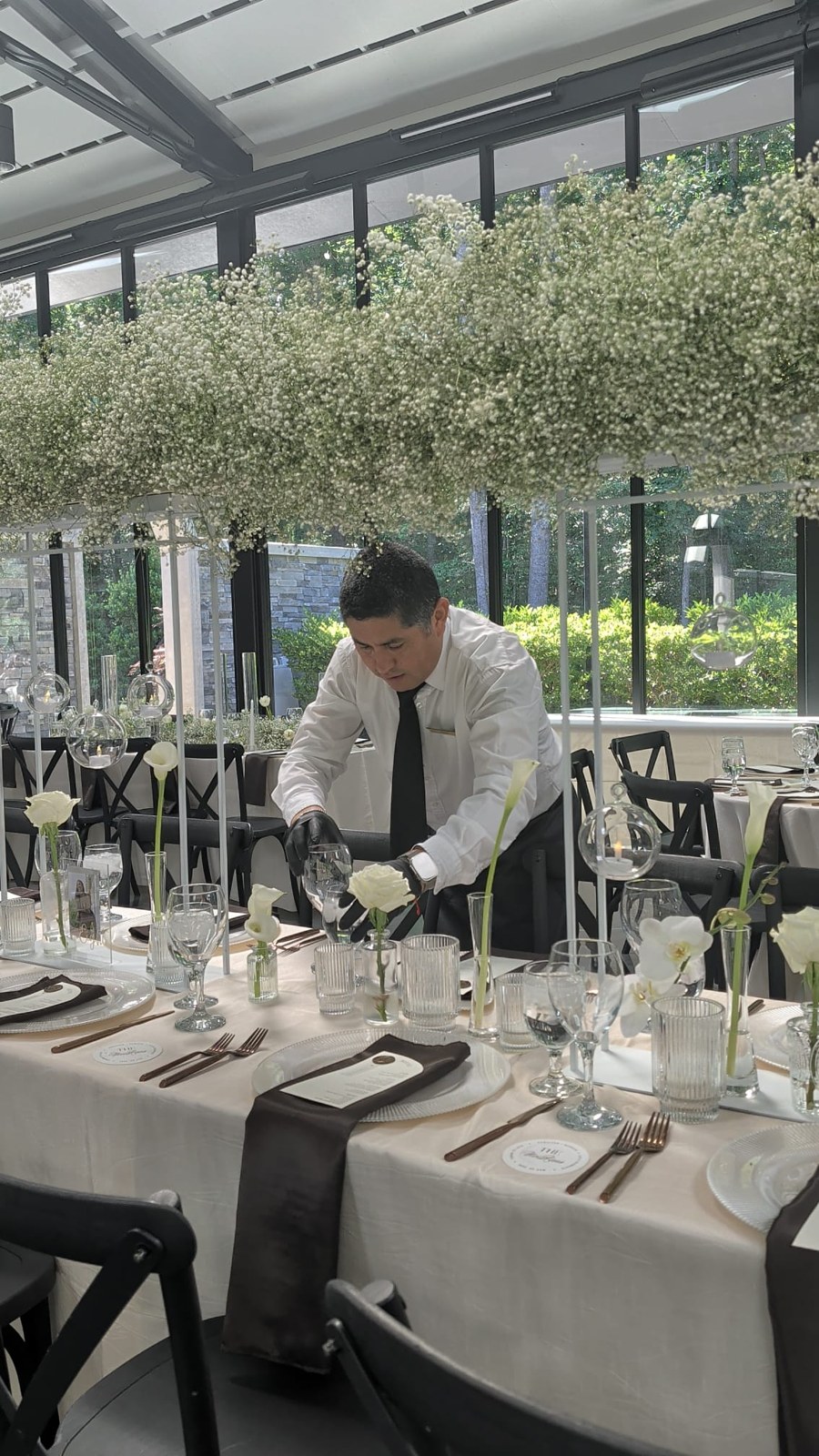
Banquet servers handle service preparation, assigned tables or stations and clearing within their brief. Food runners move prepared items between the service area and the floor; bussers help reset guest spaces and keep service moving. Setup and breakdown crews have different responsibilities from guest-facing staff.
Write down who replenishes supplies, resets furniture and reports spills. Do not assume that a server also handles unrelated kitchen work or final waste removal. Clear assignments make supervision easier and prevent gaps between teams.
- Roles and staffing needs by zone
- Uniform, footwear and required credentials
- Reporting location and on-site supervisor
- Shift start, handoff and release times
- Meal, rest and relief arrangements
Resolve access before the team arrives
Share the correct entrance, parking instructions, loading restrictions and any credentialing or security process. A general venue address may not identify the staff entrance. Confirm who checks the team in and who can authorize a change to the assignment.
For stadium operations, clarify whether your organization or another operator controls each space. Discuss food-service, equipment and site-specific training requirements in advance rather than treating every role as interchangeable.
Make the cleaning handoff explicit
Separate service-time upkeep from post-event cleaning. Identify the rooms, restrooms, service areas and floor surfaces included, along with the next occupancy deadline. Establish who provides supplies and equipment and where waste may be placed.
Waste collection inside the venue is not the same as hauling waste off-site. The written scope should say which is required and who handles it. Include an agreed inspection and release process so everyone understands when the work is complete.
Prepare a plan for changes
Guest counts, room layouts and schedules can change. Decide who can request extra coverage, how pricing changes are approved and how new instructions reach the team lead. When a shift extends, confirm the revised requirements rather than assuming unlimited availability.
For urgent requests, provide the location, start time, roles and headcount immediately. Montoya staffing bookings require a signed agreement and deposit, with a minimum of five paid hours per person. Availability and site requirements must be confirmed before dispatch.
Give procurement the information it needs
Send your proposed dates, work zones, shift schedule, requested roles and cleaning scope. Include vendor registration requirements and the contact responsible for onboarding. Certificates, licenses and COI are available to clients upon request.
Montoya Solutions supports commercial cleaning and hospitality staffing discussions across Maryland and Washington, DC. Speak with our team about the operation you are planning so the proposal reflects your venue—not a generic package.